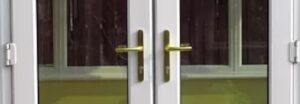
Why Diy Door Handle Repair Is Everywhere This Year
DIY Door Handle Repair: A Comprehensive Guide
Door handles are among the most often utilized components in any home. Yet, they typically go unnoticed up until they malfunction. A defective door handle can be a major trouble, possibly leaving doors stuck shut or wide open. Fortunately, many door handle issues can be resolved through basic DIY repairs. This article will provide you with the understanding and step-by-step directions to masterfully repair or replace a door handle, ensuring the functionality and aesthetics of your doors remain undamaged.
Understanding Common Door Handle Issues
Before diving into the repair procedure, it is vital to identify the most common problems that arise with door handles. Acquainting oneself with these issues can conserve you effort and time.
Common Problems
Loose Handle: A handle that turns less efficiently or feels loose can show that the screws are loose or that internal systems are used.
Sticking Mechanism: A door handle that sticks can be a result of dirt buildup or misalignment.
Broken or Cracked Handle: Wear and tear or a sudden effect can result in a broken or cracked handle, requiring replacement.
Tough Latch Operation: If the handle turns but does not engage the lock, there might be internal mechanical failure.
Rust or Corrosion: Especially common in exterior handles, rust can hinder performance.
Tools and Materials Required
Before continuing with the repair, collect the following tools and materials:
Tools
- Screwdriver (Phillips and flat-head)
- Allen wrench (if suitable)
- Pliers
- Energy knife
- Level (optional)
Materials
- Replacement handle (if required)
- Screws (if rusted or broken)
- Lubricant (like WD-40 or silicone spray)
- Cleaning cloth
- Security goggles
Step-by-Step Repair Guide
Step 1: Assessment of the Door Handle
Start by examining the door handle to determine the nature of the issue. Check for looseness, positioning, and total performance. Depending upon your assessment, pick to either repair or replace the handle.
Action 2: Removing the Door Handle
- Find the Screws: Examine the handle for visible screws and eliminate them utilizing a screwdriver.
- Get rid of the Handle: Once the screws are gotten rid of, carefully pull the handle away from the door. If Repair My Windows And Doors is stuck, carefully wiggle it backward and forward.
- Check Internal Mechanism: With the handle detached, check the internal latch and elements for any visible damage.
Step 3: Cleaning and Lubrication
Use a cleaning fabric to get rid of dirt and debris from both the handle and door. Using lube on moving parts can deal with issues related to sticking mechanisms.
- Oil Moving Parts: Apply a little amount of lubricant to the latch and any other moving parts.
- Clean Off Excess: Ensure there is not excessive lube, which could bring in more dirt.
Step 4: Tightening Loose Screws
If the door handle feels loose, inspect whether the screws require tightening.
- Tighten up Screws: Use the screwdriver to tighten up any loose screws securely.
- Test the Handle: After tightening, examine to see if the handle runs efficiently.
Step 5: Replacing Your Handle (If Necessary)
If, upon evaluation, you discover that the handle is broken or can not be repaired, it might be time for a replacement.
- Purchase a Compatible Handle: Choose a door handle that fits the current door specs.
- Install the New Handle: Follow the manufacturer's guidelines, usually including:
- Positioning the brand-new handle and inserting screws.
- Ensuring it runs freely and the lock engages correctly.
Step 6: Final Assessment
Reassemble any elements and offer the door handle a final test. Ensure it opens and closes smoothly without friction or play. If needed, repeat tinkering with the screws or lubrication.
Preventative Maintenance Tips
After repairing or replacing your door handle, consider these tips to lengthen its life:
- Regular Cleaning: Keep the handle clean to prevent dirt buildup affecting functionality.
- Routine Lubrication: Lubricate all moving parts every 6 months to keep smooth operation.
- Change Worn Parts: If you discover wear on internal elements, consider changing them before they trigger an overall failure.
Frequently Asked Questions for DIY Door Handle Repair
What types of door handles can I repair myself?
Most household door handles, including lever handles, knob handles, and deadbolts, can be repaired by homeowners. However, more complex electronic or clever locks might need professional assistance.
How do I know if I require to change my door handle?
If the handle is broken, broken, or if the internal mechanisms reveal considerable wear that can not be fixed through tightening or lubrication, it's time to replace it.
Is it safe to repair a door handle myself?
Yes, as long as you follow security preventative measures such as using safety goggles and managing tools with care. Many repairs are uncomplicated.
What should I do if the latch is stuck?
If the latch is stuck, try applying lubricant. If that does not work, inspect the internal mechanisms for positioning issues or use that might need change or replacement.
For how long will the repair take?
A lot of door handle repairs take around 30 minutes to an hour, depending on the intricacy of the concern and your familiarity with the process.
Repairing a door handle does not have to be a frustrating job. With some basic tools, patience, and a willingness to discover, property owners can resolve common door handle issues without needing professional help. By following the actions laid out above, individuals can save money and gain self-confidence in their DIY abilities. Regular maintenance makes sure that door handles stay functional and appealing for several years to come.